

Why Flat Roofs Are a Smart Choice for Contemporary Homes
Modern home designs often focus on clean lines, open spaces, and practical features that make everyday living easier. Roofing plays an important role in this design, affecting both the appearance and function of a home. Flat roofs have become a popular option for contemporary properties because they offer a simple look, flexible space, and several practical benefits. This article explains why flat roofs can be a smart choice for modern homes, including their design flexibility, space-saving potential, maintenance needs, and long-term value.
Creating a Modern Appearance
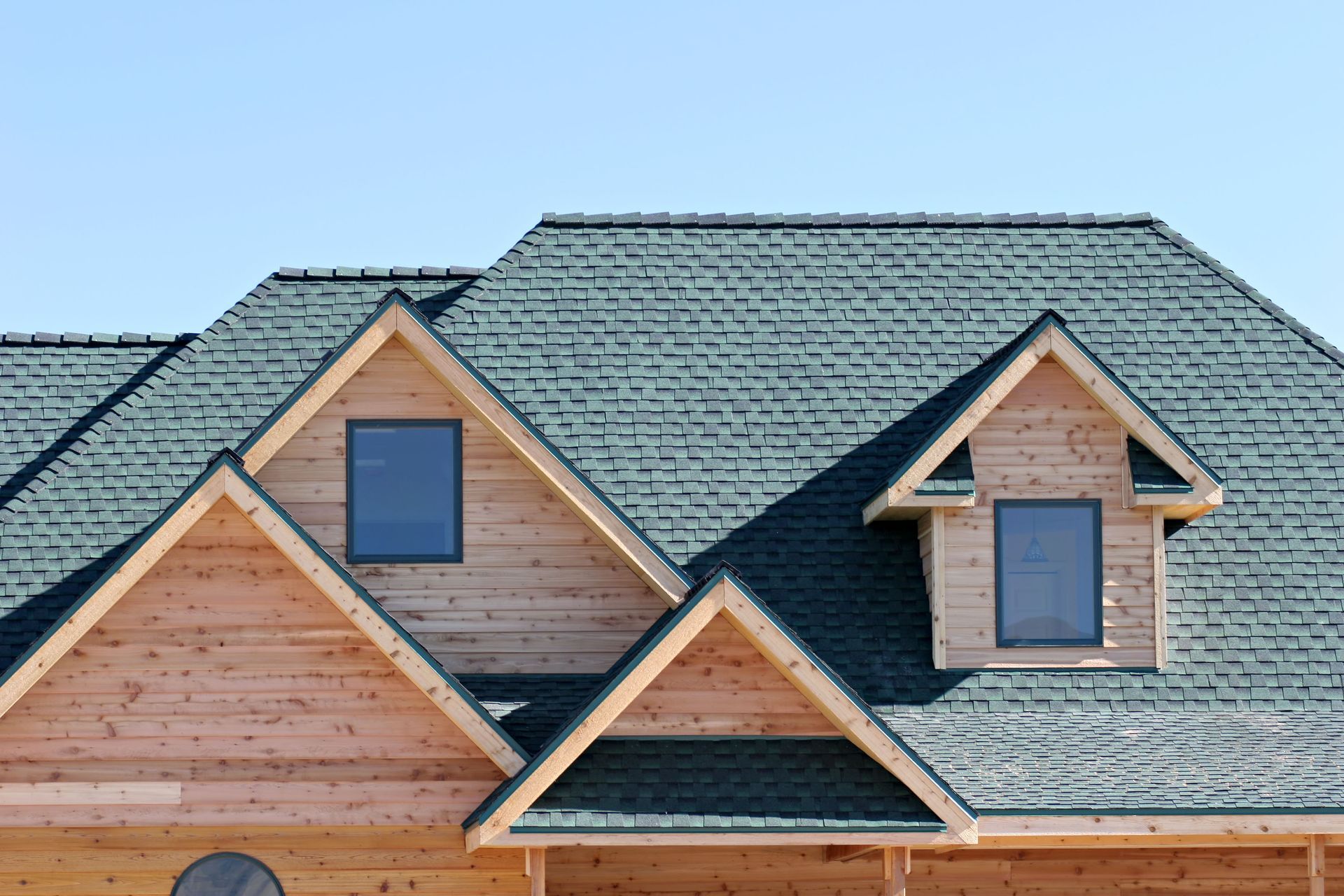
Flat roofs are often associated with contemporary architecture because of their clean lines and simple shape. Unlike steeply pitched roofs, they create a level appearance that works well with square structures, large windows, and open exterior layouts. This design can give a home a streamlined look without adding extra visual detail to the roofline. The simple shape also allows other parts of the property to stand out. Exterior materials, window placement, entryways, and landscaping can become more noticeable when the roof has a less prominent profile. This can help create a balanced appearance across the home.
A flat roof can also work with several architectural styles. While it is commonly used in modern designs, it can suit homes that combine traditional materials with updated features. The final appearance depends on the overall structure, exterior finishes, and how the roof connects with the rest of the building. A roofing company can help property owners understand how a flat roof may fit the design and structure of a home. Evaluating the building before selecting a roof type helps identify important factors, such as drainage needs, roof access, and the materials that may be suitable for the project.
Maximizing Available Space
One advantage of a flat roof is the way it can make use of space. Depending on the building's design and structural capacity, a flat roof may provide an area for certain outdoor features or equipment. Some contemporary homes use accessible roof areas for seating, gardens, or other spaces that extend the property's usable area. These features require careful planning. A roof must be designed to support its intended use, and not every flat roof is suitable for regular foot traffic. Weight limits, waterproofing, drainage, and safe access all need to be considered before the roof is used as an outdoor living area. Seeking professional help can clarify which options are appropriate for a particular home.
Flat roofs can also provide a practical location for equipment that needs to be positioned above the main living space. Depending on local requirements and the roof's design, this may include certain ventilation components or other building systems. Keeping equipment in a planned location can help organize the property's exterior and preserve space around the home. For homeowners interested in contemporary design, this flexibility can be a useful benefit. Rather than treating the roof only as a covering, the building plan can account for how the space may support other needs. Proper structural planning remains important to make sure the roof can handle its intended purpose.
Improving Design Flexibility
Flat roofs can work with a wide range of building layouts. Their shape may suit homes with wide extensions, large windows, and connected indoor and outdoor areas. They can also support designs that use simple geometric forms, allowing architects and builders to create a consistent appearance across different sections of a property. This flexibility can be useful when a home includes several connected structures, such as a main living area and an attached garage. A consistent roofline can help these sections look like parts of the same design. Flat roofs may also be considered for additions when the existing architecture supports that approach, although structural connections and drainage must be assessed carefully.
Roofing materials are another part of the design process. According to The Roofing Brief, single-ply membranes are the fastest-growing roofing category in 2025 with a forecast CAGR near 8% through 2031. This growth reflects continued interest in roofing systems that suit a range of building designs. Material selection still depends on the building, local weather conditions, budget, and expected performance. A roofing company can help evaluate these factors when a property owner is considering a flat roof. Choosing a suitable system involves more than appearance alone. The roof must also provide reliable weather protection, manage water effectively, and fit the needs of the building over time.
Managing Drainage and Weather Protection
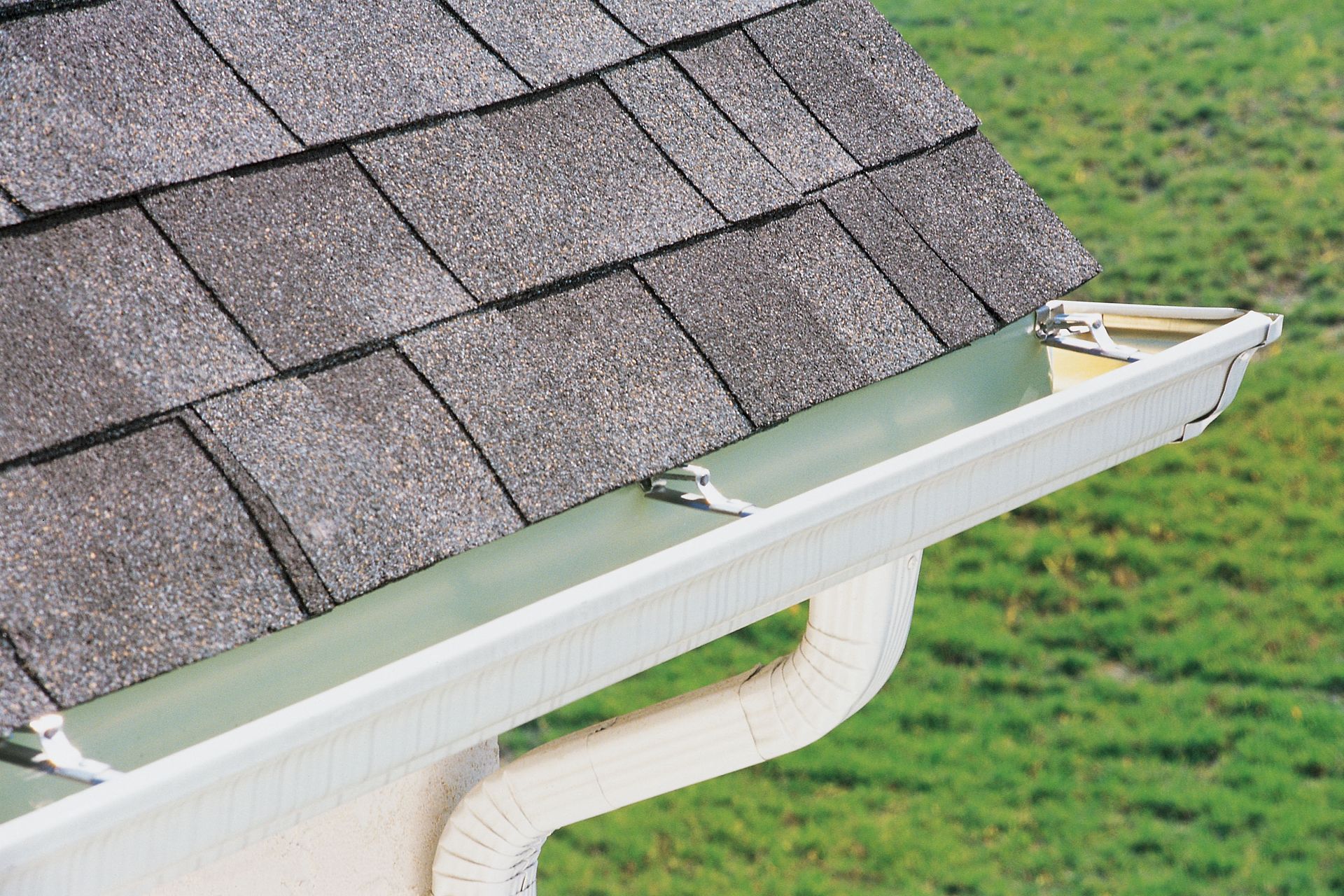
Although flat roofs appear level, they generally need a slight slope to direct water toward drains or other drainage points. Without effective drainage, water may collect on the surface and increase the risk of leaks or material damage. Proper planning is especially important in areas that experience heavy rain or repeated storms. Drainage design depends on the roof's size, layout, surface, and local weather. Drains must be placed where water can reach them, and the system should account for areas where debris could collect. Roof edges, joints, vents, and other openings also need suitable protection against water entry.
Regular inspections can help identify drainage concerns before they cause more serious problems. Signs such as standing water, damaged roof surfaces, blocked drains, or moisture inside the building may indicate that the roof needs attention. Addressing these issues early can help reduce the chance of more extensive damage. Flat roofs can provide effective weather protection when the system is designed and maintained appropriately. However, their performance depends on the quality of the materials, installation, drainage, and ongoing care. Seeking professional help when problems appear can help determine the cause and identify the appropriate repairs.
Reducing Unnecessary Maintenance Problems
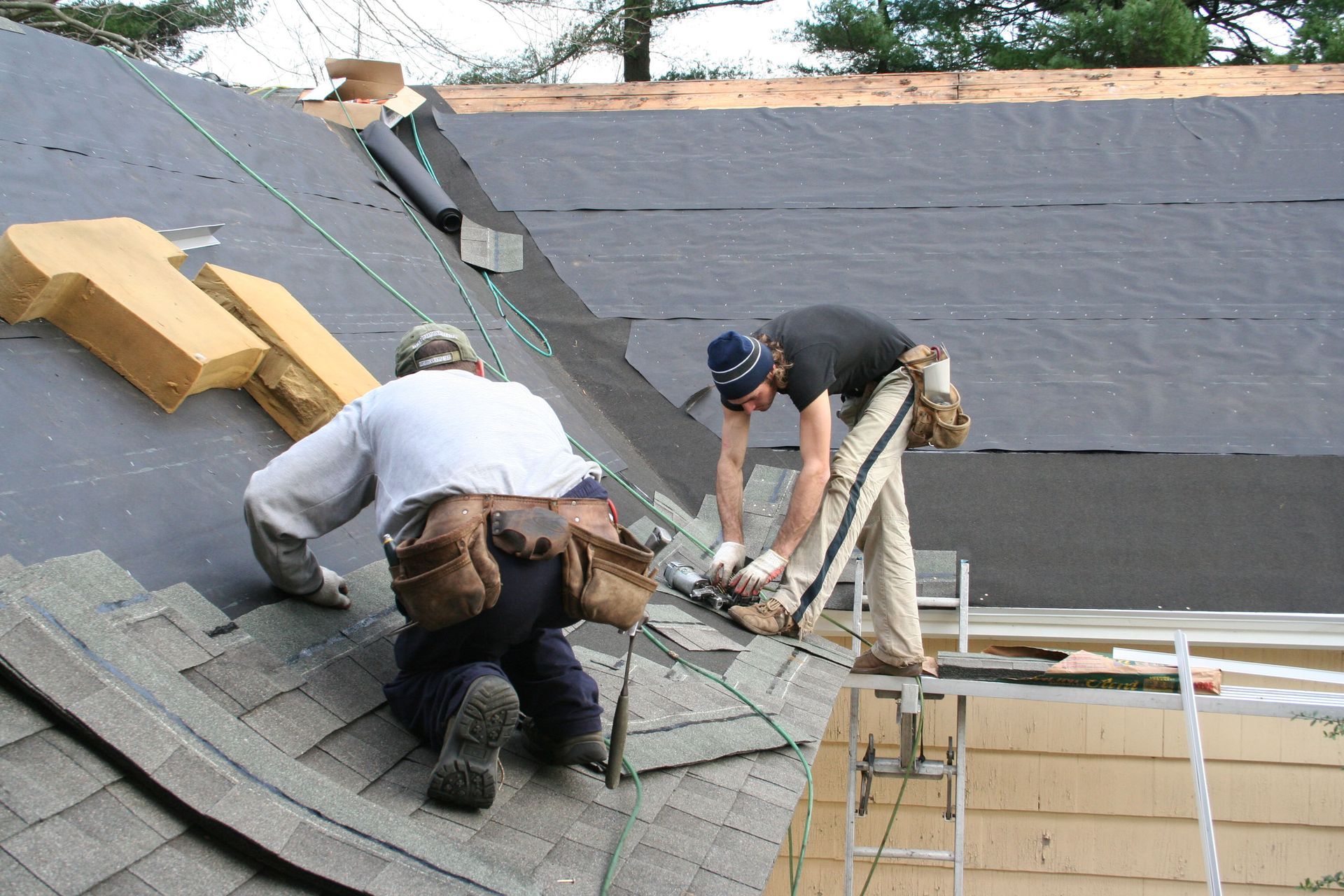
Every roof needs maintenance, but a well-planned flat roof can make some inspections and maintenance tasks more straightforward. Its accessible surface may allow roofing professionals to examine certain areas without navigating steep slopes. This can help with checking drains, seams, flashing, and other parts that are important to the roof's performance. Accessibility does not mean a flat roof is free from risks or maintenance needs. Walking on the roof without suitable precautions can cause injuries or damage the roofing surface. Some systems are not designed for regular foot traffic, and their materials may be vulnerable to punctures or other forms of wear. Seeking professional help is a safer option when the roof needs inspection or repairs.
Maintenance needs also depend on the surrounding environment. Trees may drop leaves and branches onto the roof, while dirt and other debris can collect around drainage points. Weather exposure and the age of the materials can affect how often the roof needs attention. Regular checks help identify changes in the roof's condition and allow concerns to be addressed before they become more costly. A roofing company can assess the condition of a flat roof and recommend maintenance based on its materials and age. Keeping drainage areas clear, checking for visible damage, and addressing leaks promptly can help preserve the roof's performance.
A roof is a major part of a home's structure, so its cost should be weighed against its performance and maintenance needs. Flat roofs may appeal to property owners seeking a modern appearance and practical use of space. Costs vary based on the property's size, materials, existing structure, drainage, insulation, and installation requirements. Long-term value also depends on proper installation and maintenance. Suitable materials and timely repairs can help protect the home for years, while poor drainage or neglected damage may lead to higher costs. If you are considering a flat roof, contact S & L Roofing to discuss your options with our professional roofing company and find an approach that fits your home's design and needs.
Share On: