

Why Local Roofers Recommend High ROI Materials
When it comes to roofing, choosing the right materials is crucial not only for the durability and aesthetics of your home but also for the return on investment (ROI) upon resale. Homeowners often prioritize initial costs without fully appreciating how their choices can affect the overall value of their properties. Let's discuss why a local roofer will advocate for materials that offer high ROI and what you need to consider when making these important decisions.
The Financial Aspect of ROI
Exploring the financial aspect of ROI in roofing involves understanding how different materials impact the long-term value of a property. A roof's cost-effectiveness is weighed not just by its upfront expense but by its ability to save money over time, either through durability, energy efficiency, or enhanced curb appeal.
A local roofer will emphasize selecting materials that provide substantial savings on future maintenance and replacements. For instance, materials with longer lifespans, like metal roofs, despite higher initial costs, offer better financial returns through reduced need for frequent repairs. Ultimately, assessing ROI includes calculating the overall financial benefits tied to specific roofing choices.
The Long-Term Benefits of High ROI Materials
High ROI roofing materials offer numerous long-term benefits, including extended durability, reduced maintenance costs, and sustained aesthetic appeal. These materials often stand up better to the elements, lowering replacement frequency and associated expenditures. Homeowners who invest in top-quality roofing also experience peace of mind knowing their homes are protected against severe weather and natural decay. Longevity directly translates into better financial returns; a roof that withstands decades adds value to the property, ensuring future resale is profitable. Consequently, the assurance of long-term viability becomes a pivotal factor when selecting roofing materials with high ROI potential.
Impact on Home Value
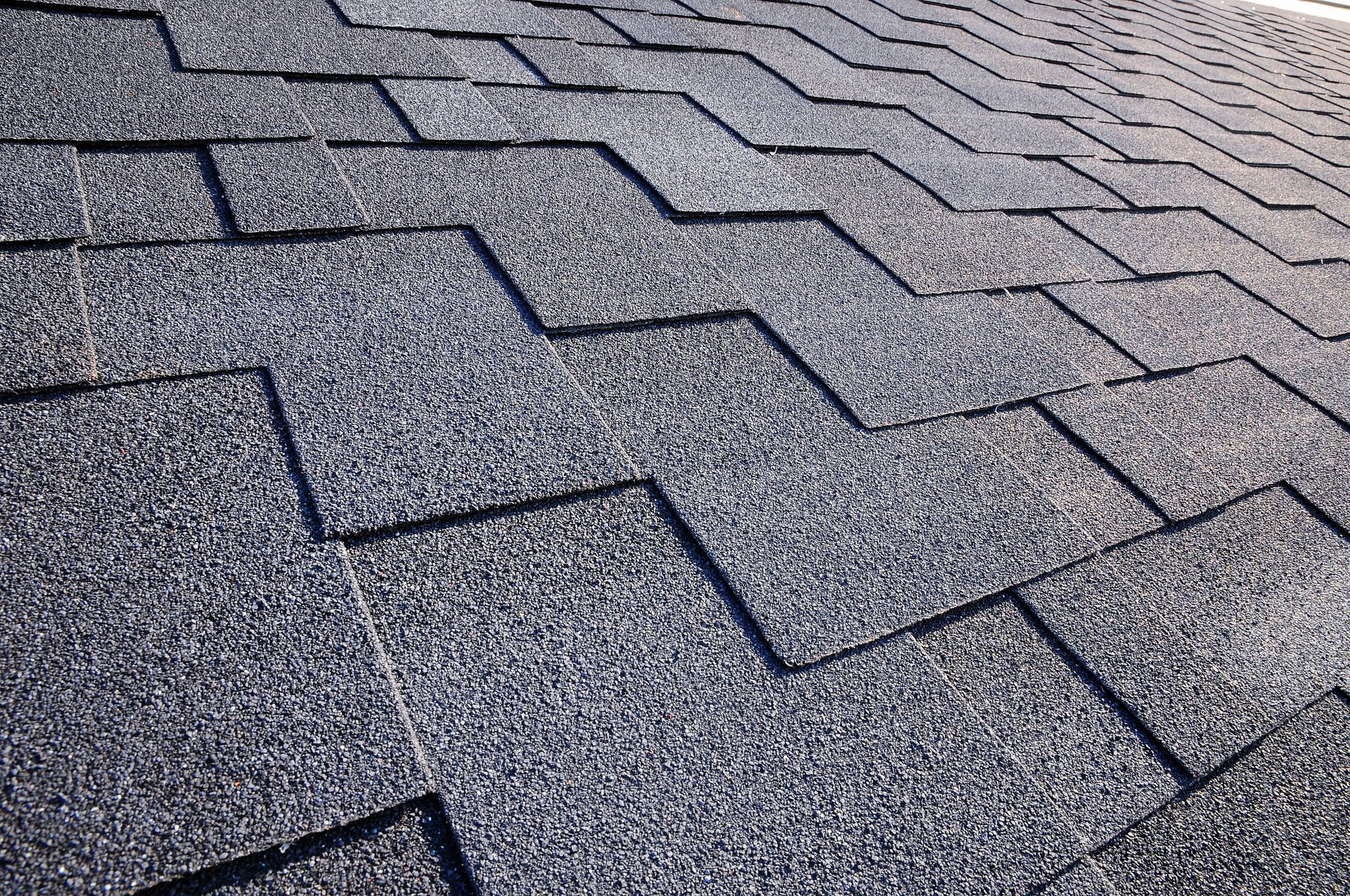
Roofing materials significantly influence the overall value of a home, impacting both buyer interest and selling price. High-quality roofing, while costly initially, is perceived as a worthwhile investment that enriches property value. For example, a metal roof not only serves as a protective barrier but also enhances a home's market appeal due to its contemporary look and extended lifespan. According to HomeGuide, investing in a metal roof yields up to an 85% ROI, outperforming the 60% to 70% return seen with asphalt shingles. Thus, property owners aiming to capitalize on their houses' market potential should consider how roofing materials contribute to perceived value.
Regional Climate and Weather Patterns
Regional climate and weather patterns play decisive roles in material recommendations for roofing. In areas prone to extreme weather conditions, such as heavy rainfall or high winds, durability and resistance are critical criteria that impact material choice. A local roofer will emphasize the importance of selecting materials that can withstand local climatic conditions, reducing the risk of damage and increasing lifespan. For example, metal and slate roofs excel in areas with harsh weather, offering enhanced protection and longevity. Homeowners must collaborate with local experts to ensure their roofing materials not only align with financial goals but also regional weather patterns.
Local Building Codes and Regulations
Complying with local building codes and regulations is another influential factor in material recommendations. Roofing materials must adhere to specific guidelines to ensure safety, efficiency, and environmental compatibility with the surrounding area. Non-compliance can lead to fines and costly replacements, making it crucial for homeowners to consult with a seasoned local roofer who understands these regulations. Such expertise guarantees that selected materials not only meet aesthetic and functional needs but also legal standards. By ensuring regulatory compliance, homeowners can avoid unforeseen expenses and secure a seamless, efficient roofing installation process.
Curb Appeal and Market Demand
The role of aesthetic appeal in determining roofing material ROI cannot be overstated. Curb appeal significantly influences market demand, as homes with visually appealing roofs often attract more potential buyers and command higher prices. Roofing materials that offer distinct aesthetic advantages, such as slate and clay tiles, enhance curb appeal with their unique textures and colors. Local real estate markets tend to favor properties that exhibit cohesive, attractive exteriors, leading to faster sales and higher resale values. By investing in high-quality, aesthetically pleasing roofing, homeowners can boost both their property's curb appeal and its financial prospects.
Customization Options
Customization options add a considerable layer to roofing material ROI by enabling homeowners to tailor aesthetics to their individual tastes and property styles. Materials that offer a variety of colors, textures, and finishes, such as metal and synthetic options, allow for greater personalization while maintaining functional effectiveness. Customization enhances both the visual impact of a home and its uniqueness within the market, appealing to discerning buyers willing to pay a premium for specially curated properties. A local roofer can guide homeowners in exploring diverse customization options that align with budget constraints and enhance the overall investment value of the roof.
Cohesion With Neighborhood Designs
Achieving cohesion with neighborhood designs is a critical consideration in selecting roofing materials that yield high ROI. Materials shouldn't only reflect personal taste but also integrate seamlessly with the surrounding architectural landscape to preserve community aesthetics. Homes that maintain stylistic harmony with their neighborhoods often experience enhanced resale value and increased buyer interest. Local roofing experts stress the importance of choosing materials that complement nearby properties, upholding neighborhood standards and avoiding clashing designs. By prioritizing cohesion, homeowners enhance their returns while contributing positively to neighborhood character and property values.
Tax Credits and Rebates
Economic incentives, like tax credits and rebates, play an influential role in deciding on high ROI roofing materials. Government programs often incentivize the use of eco-friendly roofing solutions, offering financial benefits for investments in sustainable options. Homeowners selecting energy-efficient or recycled materials can offset initial costs through these incentives, enhancing ROI. Local roofers stay abreast of applicable programs, guiding homeowners in selecting materials that maximize financial savings. Taking advantage of such incentives ensures homeowners not only contribute to environmental sustainability but also realize significant economic returns.
Insurance Premium Reductions
Using certain roofing materials can lead to insurance premium reductions, an aspect that enhances a material's ROI. Roofs built with fire-resistant or impact-resistant materials, like metal or slate, may qualify for lower premiums due to reduced risk of damage. By selecting these materials, homeowners can decrease their insurance expenses, contributing to overall cost savings and improved financial returns. Local roofing experts emphasize the dual benefits of these materials, combining aesthetic and protective properties with economic advantages. Ultimately, insurance considerations offer homeowners another compelling reason to invest in high-quality, durable roofing solutions.
Energy Efficiency Savings
Energy efficiency is a pivotal factor in roofing material ROI, with potential savings extending beyond initial installation costs. Materials that provide excellent insulation or reflectivity, such as metal roofs, decrease reliance on heating and cooling systems, lowering energy bills. The immediate and long-term savings attributable to energy-efficient roofs contribute significantly to ROI, making them a sustainable, financially advantageous option. A local roofer will often recommend such materials as a practical choice for homeowners seeking environmental benefits alongside economic gains. Emphasizing energy efficiency in roofing materials not only supports green initiatives but also secures tangible financial returns over time.
Choosing a high-ROI roof is a strategic balance of financial foresight, regional suitability, and visual appeal. While premium materials like metal, slate, and clay require a larger upfront commitment, their exceptional durability, energy savings, insurance discounts, and market leverage transform a simple home repair into a high-yielding property investment. By partnering with a knowledgeable local roofer at S & L Roofing, you can secure immediate operational savings while ensuring your property stands out when it comes time to sell.
Share On: