

Why Rubber Roofing Is the Gold Standard for Flat Roofs
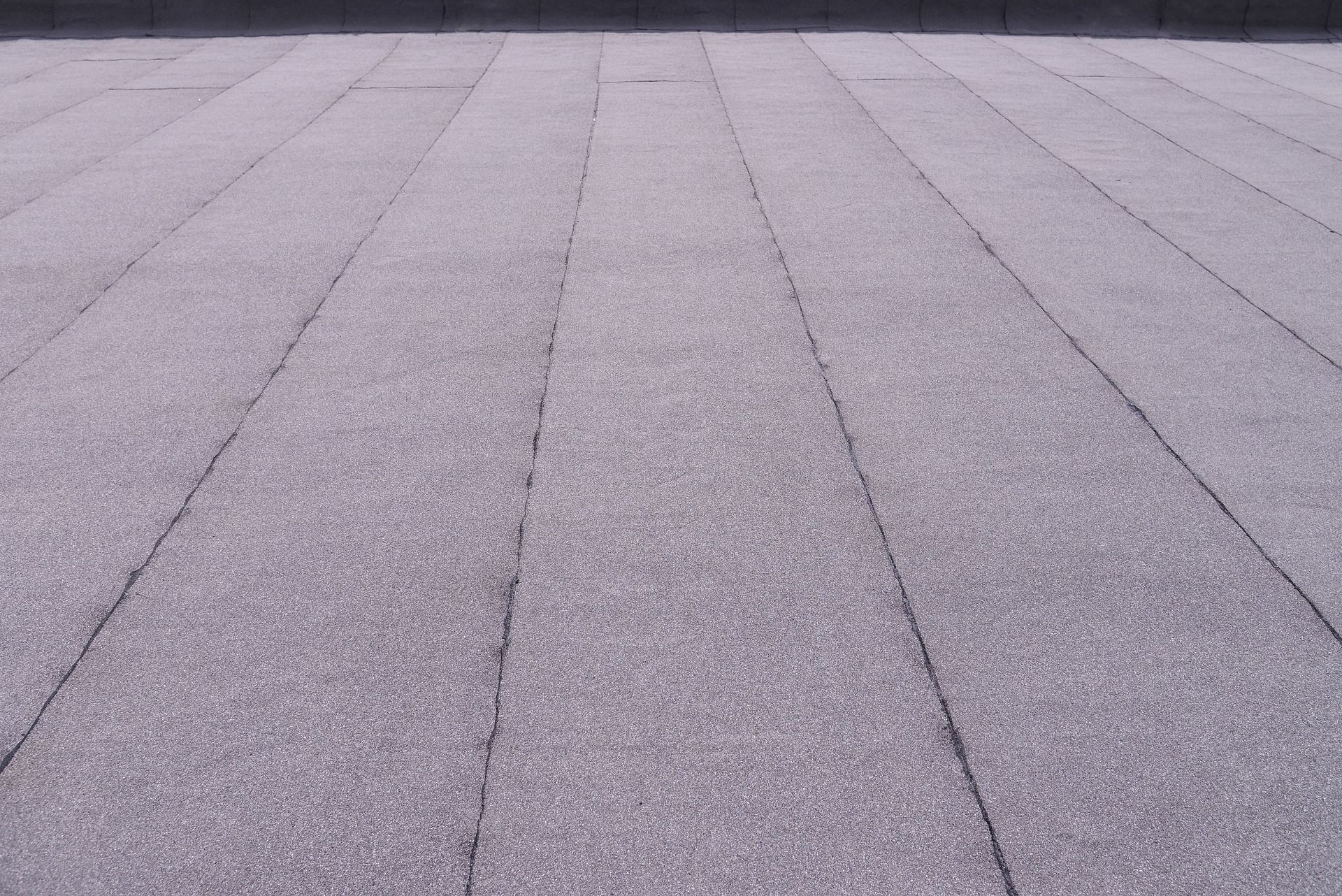
Flat roofs require roofing materials that can withstand standing moisture, temperature fluctuations, and prolonged exposure to environmental conditions. Unlike steeply sloped roofs, flat roofing systems have limited drainage slopes, making proper material selection especially important. Property owners need solutions that provide dependable waterproofing, manageable maintenance requirements, and long-term durability. Rubber roofing has become a popular option for residential and commercial buildings because of its flexibility, weather resistance, and practical installation characteristics. Ethylene propylene diene monomer, commonly called EPDM, is among the most widely recognized rubber roofing materials. Experienced local roofers often recommend evaluating EPDM when selecting materials for low-slope roofing applications. Understanding its advantages can help property owners determine whether rubber roofing provides the performance, protection, and value their buildings require.
Understanding the Durability of Rubber Roofing
Durability is one of the most important considerations when choosing materials for a flat roof. Roofing systems must withstand continuous exposure to sunlight, precipitation, wind, and changing temperatures. EPDM rubber membranes are designed to resist many environmental conditions that can contribute to premature deterioration. Their flexible composition helps them accommodate normal building movement and temperature-related expansion without becoming excessively rigid or brittle under suitable service conditions.
According to Captain Bobcat, EPDM rubber roofing can last up to 50 years with consistent maintenance and proper care. Actual longevity depends on installation quality, environmental exposure, membrane thickness, and maintenance practices. Routine inspections and timely repairs help protect the material from avoidable damage. Property owners seeking dependable roofing solutions should consider both expected service life and the maintenance necessary to achieve lasting performance.
Preventing Moisture Damage With Reliable Waterproofing
Water management presents unique challenges for flat roofing systems. Although these roofs typically have slight slopes, rainwater may drain more slowly than it does from steeply pitched surfaces. Poor drainage, damaged seams, or deteriorating flashing can allow moisture to penetrate the roofing assembly. Rubber membranes create a continuous protective barrier designed to prevent water infiltration when properly installed and maintained.
Professional local roofers understand the importance of sealing membrane seams, roof penetrations, and perimeter details. These areas require careful attention because improper installation can compromise waterproofing performance. Contractors also evaluate drainage conditions to identify locations where water may accumulate. Combining appropriate membrane installation with functional drainage systems helps reduce moisture-related damage, protect underlying building materials, and support dependable roof performance throughout changing weather conditions.
Accommodating Temperature Changes Through Material Flexibility
Roofing materials experience repeated expansion and contraction as outdoor temperatures change. These movements can place stress on seams, attachment points, and other vulnerable areas. Rigid materials may develop cracks or other defects when exposed to significant movement. Rubber roofing offers flexibility that allows the membrane to accommodate normal dimensional changes without immediately compromising its protective function.
This characteristic makes EPDM particularly useful in regions experiencing substantial seasonal temperature differences. The material can maintain flexibility across a broad range of conditions, although performance depends on product specifications and installation methods. Properly designed roofing assemblies also account for insulation, substrate movement, and attachment requirements. Selecting a flexible membrane helps reduce certain movement-related concerns while supporting the roof's ability to protect the building over time.
Improving Installation Efficiency With Practical Materials
Installation requirements influence roofing expenses, project schedules, and long-term performance. EPDM membranes are available in different sheet sizes and thicknesses, allowing contractors to select products suited to specific roof dimensions. Larger membrane sheets may reduce the number of seams necessary for certain applications. Fewer seams can simplify some installation procedures and limit potential locations where waterproofing problems might develop.
Qualified local roofers evaluate the roof's structure, existing materials, and intended use before recommending an installation approach. Depending on the project, EPDM systems may be fully adhered, mechanically attached, or ballasted where appropriate. Each method has specific requirements involving substrates, wind resistance, and building conditions. Professional planning helps ensure that the selected installation method meets applicable standards and provides dependable protection without unnecessary complications.
Reducing Maintenance Demands With Resilient Surfaces
All roofing systems require maintenance, but some materials present more demanding upkeep requirements than others. EPDM roofing generally offers relatively straightforward maintenance when installed correctly. Its resilient surface can withstand ordinary environmental exposure, although punctures, seam deterioration, and damage from rooftop equipment remain possible. Regular inspections help identify developing concerns before they result in extensive repairs or interior water damage.
Maintenance typically includes removing debris, examining drainage components, checking seams, and inspecting areas around vents or rooftop equipment. Property owners should also monitor the membrane for visible damage following severe weather. Professional local roofers can recommend appropriate repair methods and maintenance schedules based on roof conditions. Consistent care helps preserve waterproofing performance, reduce unexpected disruptions, and extend the useful lifespan of the roofing system.
Managing Roofing Costs Through Long-Term Value
Budget considerations often influence decisions about roofing materials. Property owners must evaluate installation expenses alongside expected durability, maintenance requirements, and eventual replacement costs. Rubber roofing can offer competitive long-term value because of its potential longevity and relatively manageable upkeep. However, initial pricing varies according to membrane thickness, roof dimensions, insulation requirements, labor expenses, and existing structural conditions.
Comparing estimates requires looking beyond the lowest quoted installation price. A less expensive system may create additional costs if materials deteriorate prematurely or installation details require frequent attention. Conversely, appropriate material selection and professional workmanship can help reduce avoidable expenses. Property owners should request detailed estimates explaining preparation, materials, installation procedures, and warranty coverage. Evaluating total ownership costs provides a clearer understanding of the financial advantages rubber roofing may offer.
Supporting Energy Efficiency With Appropriate Roof Design
Roofing systems influence building energy performance because they affect heat transfer between indoor and outdoor environments. EPDM membranes are commonly available in black and white formulations, which interact differently with sunlight. Black membranes absorb more solar energy, while white membranes generally reflect a greater proportion of sunlight. These characteristics can influence rooftop temperatures and cooling requirements depending on local climate conditions.
Experienced local roofers can help property owners evaluate membrane colors, insulation levels, and other roofing components. Energy performance depends on the complete roof assembly rather than the membrane alone. Adequate insulation and appropriate installation details help reduce unwanted heat transfer and support indoor comfort. Property owners should consider regional weather patterns, building usage, and existing insulation when determining which rubber roofing configuration best supports their efficiency goals.
Choosing Professional Installation for Lasting Performance
Even durable roofing materials can experience premature problems when installed incorrectly. Flat roofs require careful preparation, appropriate drainage, secure membrane attachment, and properly sealed transitions. Inadequate surface preparation or poorly constructed seams may create vulnerabilities that allow moisture infiltration. Professional installation helps address these concerns while ensuring that the selected roofing system suits the building's characteristics and intended use.
When evaluating local roofers, property owners should consider experience with EPDM systems, familiarity with applicable building requirements, and the ability to explain installation recommendations. Contractors should assess existing roof conditions and identify potential concerns before beginning work. Clear communication regarding project timelines, materials, warranties, and maintenance expectations also supports informed decisions. Choosing qualified professionals helps property owners protect their investment and achieve dependable long-term roofing performance.
Rubber roofing offers numerous advantages for flat and low-slope roofs, including durability, flexibility, moisture resistance, and manageable maintenance requirements. EPDM membranes can accommodate changing temperatures, provide dependable waterproofing, and support practical installation methods when properly selected and installed. Property owners should also consider insulation, drainage, long-term expenses, and professional maintenance when evaluating roofing options. Although no roofing material is suitable for every building, rubber roofing remains a strong choice for many residential and commercial applications. Working with experienced local roofers helps ensure that material selection and installation methods align with the property's specific requirements. For professional assistance with rubber roofing and dependable solutions for your flat roof, contact S & L Roofing today.
Share On: